I live at the edge of two questions most people treat as separate.
How do you build AI that keeps discovering new things — without being told what to find?
And: How do you make it run on a chip that fits in your pocket?
I’m working on both. I’m 21, undergraduate, and I have a first-authored paper under review at GECCO 2026 to show for it.
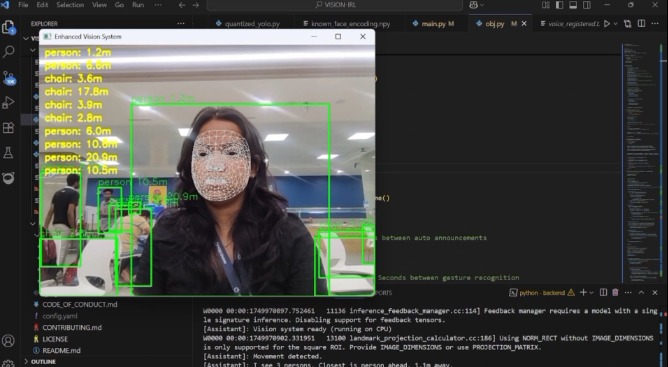
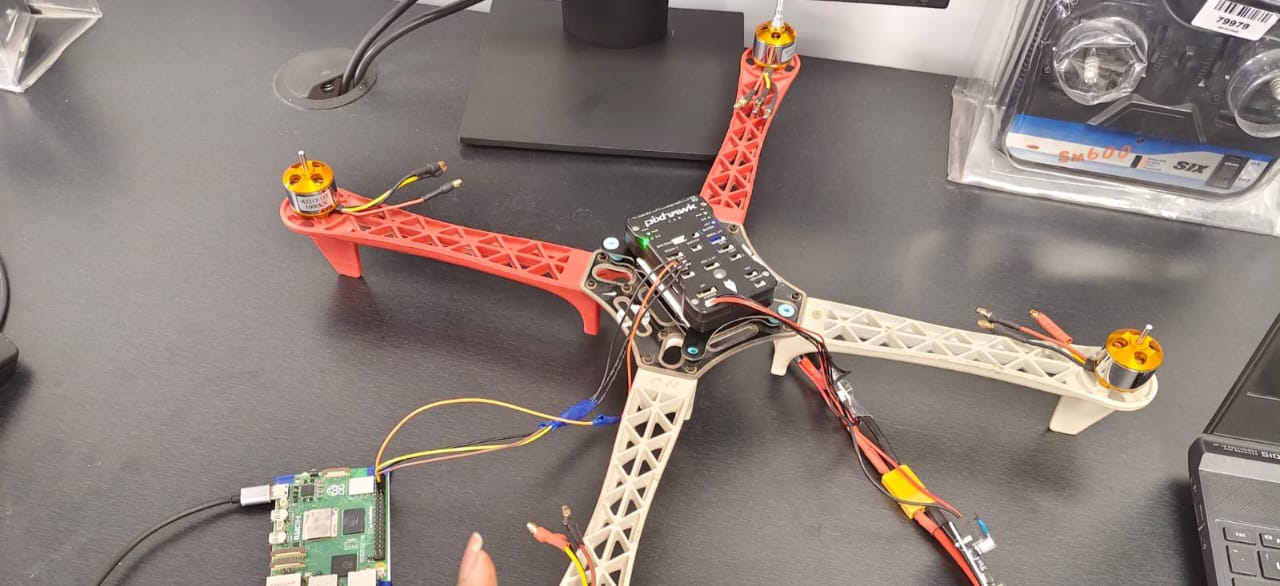
My research is on open-ended evolution — systems that generate genuine novelty without reward hacking, without explicit fitness functions, without anyone defining what “good” means. My engineering is on edge AI — real-time computer vision on Raspberry Pi, Jetson Nano, Snapdragon NPUs. No cloud. No compromise.
I think the most dangerous AI isn’t the one that fails. It’s the one that succeeds at the wrong thing.
My work addresses both halves of that problem.
What I build with:
- Python · C++ · C · JavaScript · Verilog
- TensorFlow / TF Lite · PyTorch
- OpenCV · scikit-learn · XGBoost · SHAP
- ROS · Raspberry Pi · Jetson Nano · ESP32
- Snapdragon NPU · Pixhawk PX4 · Arduino
- Docker · Flask · Streamlit · Git/Linux
- Evolutionary Computation · Edge AI
- SLAM · Autonomous Navigation · Sensor Fusion